Crm with sap and oracle erp system integration: CRM with SAP and Oracle ERP Integration: 7 Powerful Benefits

In today’s hyper-connected business world, integrating CRM with SAP and Oracle ERP system integration isn’t just a tech upgrade—it’s a strategic revolution. Seamlessly connecting customer data with core enterprise operations unlocks unprecedented efficiency, insight, and growth.
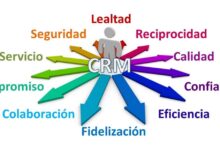
Understanding CRM with SAP and Oracle ERP System Integration

At its core, CRM with SAP and Oracle ERP system integration refers to the strategic alignment of customer relationship management (CRM) platforms with two of the world’s most powerful enterprise resource planning (ERP) systems: SAP and Oracle. This integration creates a unified ecosystem where customer interactions, sales processes, financial data, supply chain operations, and human resources are no longer siloed but interconnected in real time.
What Is CRM and Why It Matters
Customer Relationship Management (CRM) systems are designed to manage a company’s interactions with current and potential customers. They consolidate customer data across multiple touchpoints—email, phone, social media, web portals—into a single, accessible platform. Leading CRM solutions like Salesforce, Microsoft Dynamics 365, and Oracle’s own CX Cloud provide tools for sales automation, marketing campaigns, customer service, and analytics.
The primary goal of a CRM is to improve business relationships, streamline processes, and increase profitability. However, when a CRM operates in isolation from back-end systems like finance, inventory, or HR, its effectiveness is severely limited. This is where integration with ERP systems becomes essential.
The Role of SAP and Oracle ERP in Enterprise Operations
SAP and Oracle are two of the most dominant ERP vendors globally. SAP’s ERP solutions, particularly SAP S/4HANA and SAP ECC, are widely used in manufacturing, logistics, and large enterprises for managing financials, procurement, production planning, and asset management. Oracle ERP Cloud and Oracle E-Business Suite offer similar capabilities with a strong focus on financials, project management, and supply chain.
These ERP systems serve as the backbone of enterprise operations, housing mission-critical data such as order processing, inventory levels, billing, and employee records. When integrated with a CRM, they enable a 360-degree view of the customer journey—from initial lead to post-sale support and renewal.
Why Integration Between CRM and ERP Is Non-Negotiable
Without integration, sales teams may close deals based on outdated inventory data, customer service agents might lack access to billing history, and finance departments could struggle with inaccurate revenue forecasts. These disconnects lead to inefficiencies, customer dissatisfaction, and lost revenue.
Integrating CRM with SAP and Oracle ERP system integration bridges these gaps. It ensures that every department works from a single source of truth. For example, when a sales rep creates an order in the CRM, it automatically triggers order fulfillment in SAP or Oracle ERP, updates inventory levels, and initiates invoicing—all in real time.
“Integration between CRM and ERP transforms data from a liability into a strategic asset.” — Gartner Research
Key Benefits of CRM with SAP and Oracle ERP System Integration
The integration of CRM with SAP and Oracle ERP system integration delivers transformative benefits across the enterprise. From improved data accuracy to enhanced customer experiences, the advantages are both operational and strategic. Let’s explore the most impactful benefits in detail.
1. Real-Time Data Synchronization Across Departments
One of the most immediate benefits of CRM with SAP and Oracle ERP system integration is real-time data synchronization. When a customer places an order through a CRM interface, that information is instantly reflected in the ERP system. This eliminates manual data entry, reduces errors, and accelerates business processes.
For example, a sales team using Salesforce integrated with SAP S/4HANA can see real-time inventory availability, delivery timelines, and pricing based on contractual agreements. This empowers reps to make accurate promises to customers and close deals faster.
- Eliminates duplicate data entry
- Reduces operational delays
- Improves cross-functional collaboration
2. Enhanced Customer Experience and Personalization
Integrated systems provide a complete view of the customer, combining CRM data (such as communication history and preferences) with ERP data (like purchase history, payment status, and service contracts). This holistic profile enables highly personalized interactions.
For instance, a customer service agent can instantly see that a caller has an overdue invoice in Oracle ERP and a recent support ticket in the CRM. This context allows for empathetic and informed service, improving customer satisfaction and loyalty.
According to a McKinsey report, companies that excel at personalization generate 40% more revenue from those activities than average players.
3. Streamlined Sales and Order Fulfillment Processes
Sales cycles become faster and more efficient when CRM and ERP are integrated. When a deal is closed in the CRM, the order is automatically created in SAP or Oracle ERP, triggering fulfillment, shipping, and invoicing workflows.
This automation reduces the time from quote to cash and minimizes the risk of errors. For example, pricing discrepancies due to outdated catalogs or incorrect discount approvals are eliminated because the CRM pulls real-time pricing and approval rules from the ERP.
Additionally, integration supports configure-price-quote (CPQ) functionality, where complex product configurations are validated against ERP inventory and manufacturing constraints before a quote is issued.
How CRM with SAP and Oracle ERP System Integration Works Technically
Understanding the technical architecture behind CRM with SAP and Oracle ERP system integration is crucial for successful implementation. The process involves data mapping, middleware, APIs, and synchronization protocols that ensure seamless communication between systems.
Data Mapping and Field Alignment
Effective integration begins with mapping data fields between the CRM and ERP systems. For example, the “Customer ID” in Salesforce must correspond to the “Business Partner” in SAP, and the “Opportunity Stage” in CRM should align with the “Sales Order Status” in Oracle ERP.
This mapping ensures that data flows accurately and consistently across platforms. Tools like SAP Process Integration (PI) or Oracle Integration Cloud (OIC) provide graphical interfaces for defining these mappings and transformation rules.
Middleware and Integration Platforms
Direct point-to-point integration between CRM and ERP is rarely feasible due to differences in data models, security protocols, and update frequencies. Instead, most enterprises use middleware or integration platforms as a bridge.
Popular solutions include:
- SAP Process Orchestration: Enables integration between SAP systems and third-party CRMs.
- Oracle Integration Cloud (OIC): Offers pre-built adapters for Salesforce, SAP, and other systems. Learn more at Oracle’s official site.
- MuleSoft Anypoint Platform: A flexible integration tool that supports hybrid environments.
- Dell Boomi: A cloud-native platform ideal for integrating CRM with SAP and Oracle ERP system integration.
These platforms handle data transformation, error handling, logging, and monitoring, ensuring reliable and secure data exchange.
APIs and Real-Time vs. Batch Synchronization
Modern integration relies heavily on Application Programming Interfaces (APIs). Both SAP and Oracle provide REST and SOAP APIs that allow external systems like CRM to query and update data.
For example, Salesforce can use SAP’s OData services to retrieve customer credit limits in real time before approving a large order. Similarly, Oracle ERP can push shipment confirmations to the CRM via webhooks.
Organizations must decide between real-time and batch synchronization:
- Real-time sync: Ideal for critical operations like order creation or inventory checks. Ensures immediate data consistency but requires robust infrastructure.
- Batch sync: Suitable for non-critical data like daily sales summaries. Reduces system load but introduces latency.
The choice depends on business needs, system performance, and data volume.
Common Challenges in CRM with SAP and Oracle ERP System Integration
Despite its benefits, integrating CRM with SAP and Oracle ERP system integration is not without challenges. Organizations often face technical, organizational, and strategic hurdles that can delay or derail integration projects.
Data Quality and Master Data Management
Poor data quality is one of the biggest obstacles. Duplicate customer records, inconsistent naming conventions, and outdated information can corrupt the integration process. For example, if a customer is listed as “ABC Corp” in SAP and “ABC Corporation” in Salesforce, the systems may treat them as two separate entities.
To address this, companies must implement Master Data Management (MDM) strategies. SAP MDG (Master Data Governance) and Oracle MDM Cloud provide tools to standardize, deduplicate, and govern critical data across systems.
System Complexity and Customization
Both SAP and Oracle ERP systems are highly customizable, often tailored to specific business processes through extensive configuration and custom code. This complexity can make integration difficult, especially when the CRM expects standardized data formats.
For instance, a custom pricing logic in SAP may not be exposed through standard APIs, requiring additional development to make it accessible to the CRM. This increases project cost and timeline.
Best practice: Conduct a thorough system audit before integration to identify customizations and assess their impact.
Change Management and User Adoption
Even the most technically sound integration can fail if users resist the change. Sales teams accustomed to working in standalone CRM systems may struggle with new workflows that require ERP data validation.
Effective change management includes:
crm with sap and oracle erp system integration – Crm with sap and oracle erp system integration menjadi aspek penting yang dibahas di sini.
- Comprehensive training programs
- Clear communication of benefits
- Phased rollout to minimize disruption
- Feedback loops for continuous improvement
According to Gartner, 70% of change initiatives fail due to lack of employee engagement.
Best Practices for Successful CRM with SAP and Oracle ERP System Integration
To maximize the return on investment and ensure long-term success, organizations should follow proven best practices when implementing CRM with SAP and Oracle ERP system integration.
Define Clear Business Objectives
Start with a clear understanding of what you want to achieve. Is the goal to reduce order processing time? Improve customer retention? Enhance forecasting accuracy? Each objective will influence the integration scope and design.
For example, if the primary goal is faster quote-to-cash cycles, focus integration efforts on synchronizing opportunities, quotes, orders, and invoices between CRM and ERP.
Choose the Right Integration Approach
There are several integration approaches, each with pros and cons:
- Point-to-point integration: Direct connection between CRM and ERP. Simple but hard to scale.
- Middleware-based integration: Uses a central integration platform. More scalable and maintainable.
- Hybrid integration: Combines cloud and on-premise systems. Ideal for organizations transitioning to the cloud.
For CRM with SAP and Oracle ERP system integration, a middleware-based approach is generally recommended due to its flexibility and support for complex workflows.
Ensure Data Governance and Security
Data governance ensures that data is accurate, consistent, and secure across systems. Establish policies for data ownership, access control, and audit trails.
Security is especially critical when integrating cloud-based CRM (like Salesforce) with on-premise ERP systems. Use secure protocols like HTTPS, OAuth, and SAML for authentication. Regularly audit access logs and conduct penetration testing.
“Data is the new oil, but only if it’s refined and secure.” — Clive Humby
Real-World Use Cases of CRM with SAP and Oracle ERP System Integration
Theoretical benefits are compelling, but real-world examples demonstrate the tangible impact of CRM with SAP and Oracle ERP system integration. Let’s examine how leading companies have leveraged this integration to drive business value.
Manufacturing: Global Industrial Equipment Supplier
A multinational manufacturer of industrial machinery used Salesforce as its CRM and SAP S/4HANA for ERP. Before integration, sales reps had no visibility into production schedules or inventory levels, leading to overpromising and delayed deliveries.
After implementing integration via MuleSoft, reps could check real-time inventory and production capacity before quoting. The result: a 30% reduction in order fulfillment time and a 25% increase in on-time delivery rates.
Retail: Omnichannel Fashion Brand
A global fashion retailer used Oracle CX Cloud for CRM and Oracle ERP Cloud for finance and supply chain. Integration enabled a unified view of customer behavior across online, mobile, and in-store channels.
When a customer returned an item in-store, the CRM updated the return reason, and the ERP adjusted inventory and initiated a refund. Marketing teams used this data to personalize future offers, increasing customer lifetime value by 20%.
Healthcare: Medical Device Distributor
A medical device company integrated Microsoft Dynamics 365 (CRM) with SAP ECC. The integration automated contract management, ensuring that sales reps could only offer discounts approved in SAP.
Service technicians accessed customer equipment history from SAP via the CRM, reducing mean time to repair by 40%. The finance team gained accurate revenue recognition, improving audit compliance.
Future Trends in CRM with SAP and Oracle ERP System Integration
The landscape of CRM with SAP and Oracle ERP system integration is evolving rapidly, driven by advancements in AI, cloud computing, and low-code platforms. Staying ahead of these trends is essential for maintaining a competitive edge.
AI-Powered Predictive Analytics
Artificial intelligence is transforming integration from a data synchronization tool into a predictive engine. AI models can analyze historical CRM and ERP data to forecast sales trends, identify at-risk customers, and recommend next-best actions.
For example, SAP’s Leonardo AI and Oracle’s Adaptive Intelligent Apps can predict customer churn by analyzing support ticket patterns, payment delays, and engagement levels. Sales teams receive alerts and suggested retention strategies.
Cloud-Native Integration Platforms
As more companies migrate to the cloud, integration platforms are becoming cloud-native, offering greater scalability, resilience, and ease of deployment. Oracle Integration Cloud and SAP Integration Suite are examples of cloud-first solutions that support hybrid and multi-cloud environments.
These platforms also offer pre-built connectors for popular CRMs and ERPs, reducing implementation time from months to weeks.
Low-Code and No-Code Integration Tools
The rise of low-code platforms empowers business users to build integrations without deep technical expertise. Tools like Microsoft Power Automate, OutSystems, and Mendix allow non-developers to create workflows between CRM and ERP systems using drag-and-drop interfaces.
This democratization of integration accelerates innovation and reduces dependency on IT departments.
What are the main benefits of CRM with SAP and Oracle ERP system integration?
The main benefits include real-time data synchronization, improved customer experience, streamlined sales and order fulfillment, enhanced forecasting accuracy, and better compliance and audit readiness. Integration eliminates data silos and enables a unified view of the customer and operations.
Which integration tools work best for CRM with SAP and Oracle ERP system integration?
Top tools include Oracle Integration Cloud (OIC), SAP Integration Suite, MuleSoft Anypoint Platform, Dell Boomi, and Microsoft Power Automate. The choice depends on your existing tech stack, cloud strategy, and integration complexity.
How long does it take to implement CRM with SAP and Oracle ERP system integration?
Implementation time varies based on scope, data complexity, and customization. Simple integrations can take 3–6 months, while complex, enterprise-wide projects may take 12–18 months. A phased approach is recommended to manage risk and ensure user adoption.
Is it possible to integrate cloud CRM with on-premise ERP systems?
Yes, it is possible and increasingly common. Cloud-based integration platforms like OIC and MuleSoft act as secure bridges between cloud CRM (e.g., Salesforce) and on-premise ERP (e.g., SAP ECC). These platforms handle data encryption, protocol translation, and network security.
What are the risks of poor CRM and ERP integration?
Poor integration can lead to data inconsistencies, operational inefficiencies, customer dissatisfaction, compliance violations, and financial losses. It can also result in failed audits and damaged brand reputation. Proper planning, testing, and governance are essential to mitigate these risks.
Integrating CRM with SAP and Oracle ERP system integration is no longer a luxury—it’s a strategic imperative. By breaking down data silos and aligning customer-facing processes with back-end operations, organizations can achieve unprecedented levels of efficiency, insight, and customer satisfaction. While challenges exist, they can be overcome with careful planning, the right tools, and a focus on business outcomes. As technology evolves, the integration of CRM and ERP will become even more intelligent, automated, and accessible, empowering businesses to thrive in an increasingly competitive landscape.
crm with sap and oracle erp system integration – Crm with sap and oracle erp system integration menjadi aspek penting yang dibahas di sini.
Recommended for you 👇
Further Reading: